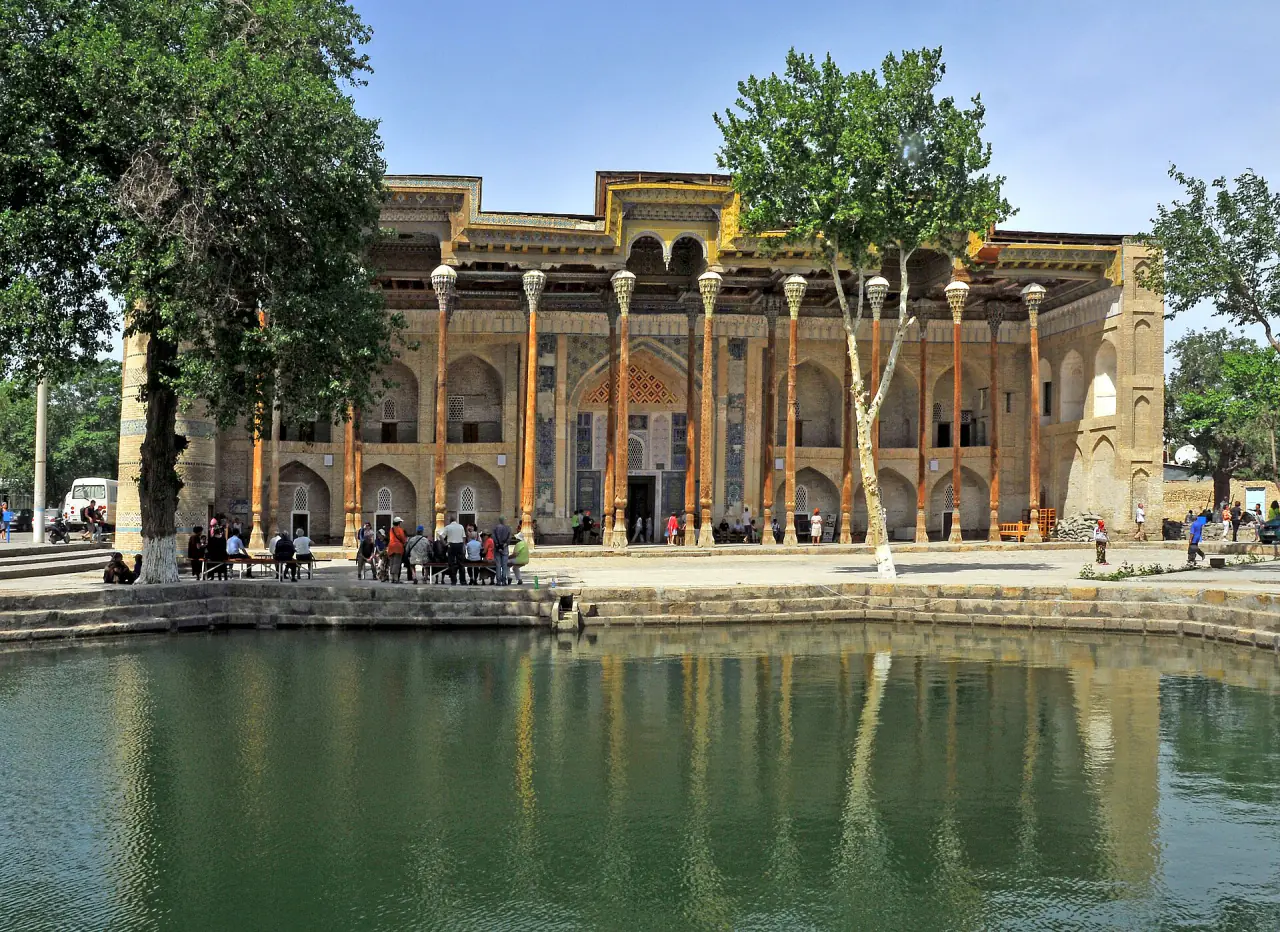
Why Safa has no likes and no comments
A like is a small reward that quietly trains us. What the research says, what the hadith on intention says, and what Safa does instead.
In 2007 a young engineer at Facebook named Justin Rosenstein helped build the “like” button. Ten years later he told The Guardian that likes had become “bright dings of pseudo-pleasure”, and that he had put limits on his own phone so he would not keep reaching for them.
In Safa you cannot press a like. You cannot leave a comment. There are no followers, no direct messages, and nobody can rate your mornings. This is not a missing feature waiting for a later version. It is a decision, and this article explains it.
What a like does to the brain
In 2016 a team at the University of California, Los Angeles, led by Lauren Sherman, built a mock version of Instagram and showed it to teenagers lying in a brain scanner (fMRI — a machine that shows which parts of the brain are working). When a photo had many likes, regions linked to reward, attention and imitation became more active. The teenagers themselves were also more likely to like a photo if many others already had — even photos showing risky behaviour.
A like, in other words, is not a neutral piece of information. It is a small reward, and it quietly teaches us what to do next.
A slot machine in your pocket
Psychologists have known since the 1950s, from the work of B. F. Skinner and Charles Ferster, that rewards which arrive unpredictably keep behaviour going longer than rewards which arrive every time. You pull the lever: sometimes something, usually nothing. That uncertainty is the hook.
In 2016 Tristan Harris, then a design ethicist at Google and later a co-founder of the Center for Humane Technology, described the phone in exactly these terms. Pulling down to refresh a feed, checking how many people liked a post — each is a pull of the lever. The app does not need to be evil for this to work. It only needs to be built to keep you looking.
What the research says — honestly
It would be easy to say “social media is poison”. The evidence is more careful than that, and so should we be.
- Less can help. In 2018 Melissa Hunt and colleagues at the University of Pennsylvania split 143 students into two groups. One group limited Facebook, Instagram and Snapchat to ten minutes each per day for three weeks; the other used them as usual. The limited group reported less loneliness and less depression. Interestingly, both groups became less anxious — simply keeping track of your own use seemed to help.
- But the average effect is small. In 2019 Amy Orben and Andrew Przybylski at Oxford analysed data on more than 355,000 adolescents. The link between technology use and wellbeing was negative, but tiny — it explained at most 0.4% of the differences between young people.
- Hiding the number is not a cure. When Instagram tested hiding like counts, the company reported in 2021 that it was “beneficial for some and annoying to others” — and made hiding optional.
So our claim is modest. We are not saying that every feed ruins every life. We are saying that the machinery of public approval pulls in one direction, and that a practice like getting up for Bomdod needs to be protected from that pull, not powered by it.
The deeper reason: intention
Deeds are only by intentions, and every person will have only what they intended.
— Sahih al-Bukhari 1 (translation of the meaning)
Imam al-Bukhari placed this hadith at the very start of his collection, before everything else. A deed is shaped by the reason behind it. A morning that begins for the sake of a streak that others will admire has quietly become a different morning.
Public attention is not bad in itself. But a counter under every good deed invites us to glance at the audience — and the glance can become the point. We would rather not build that temptation into an app whose whole purpose is a prayer.
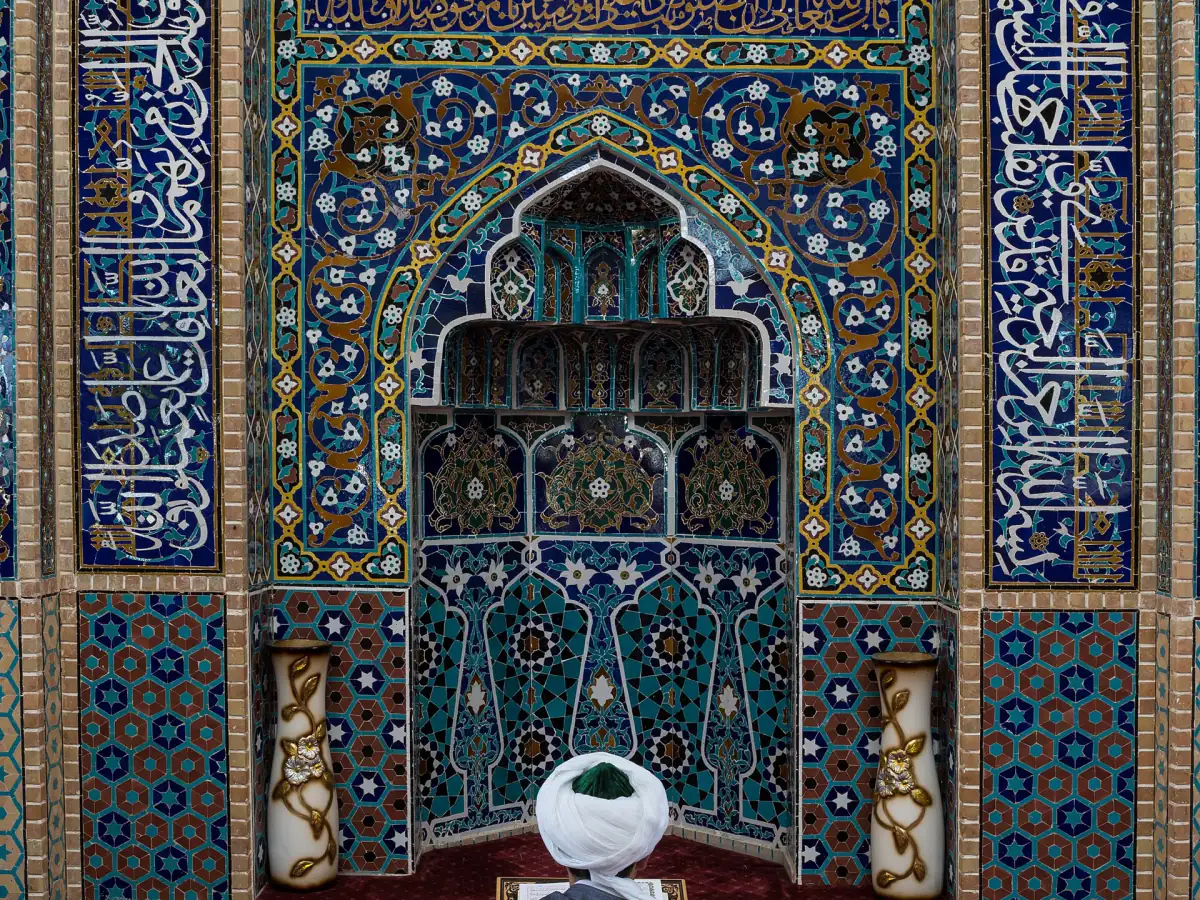
Then what is Birga for?
Being completely alone can kill a habit too. So Safa keeps a few quiet ways of being together, and each one is built so that it cannot turn into a scoreboard of approval.
- A number, not names. You can see how many people got up for Bomdod this morning. No list, no comparison — simply “you were not alone”.
- Boards only if you opt in. Streak boards show only the people who chose to join them. If you do not, nobody sees your streak at all.
- A dua is the only thing you can send. You pick it from a short list of prepared phrases, once per person. It raises no score and starts no conversation.
- Amounts are never shown. You can support Safa, but nobody sees who gave how much — not in a list, not on a profile. Money buys no streak and unlocks no morning.
Why opt-in, and not on by default? Because a ranking you never agreed to join turns every morning into a public result. Some people find a board motivating; others find it heavy. Both are right about themselves, so the choice stays with them — and it can be undone at any time.
Why a preset dua and not a free message? Because a text box is a door to everything we left out: arguments, flattery, spam, and the pressure to reply. A short, good word, chosen from a list, carries the warmth without any of that weight.
The only thing measured in Safa is your own mornings, and they are measured for you. What they mean is between you and your Lord.
Sources
- Sahih al-Bukhari 1 — sunnah.com
- Lewis, 2017 — ‘Our minds can be hijacked’: the tech insiders who fear a smartphone dystopia, The Guardian
- Sherman et al., 2016 — The power of the like in adolescence, Psychological Science
- Harris, 2016 — How technology is hijacking your mind
- Center for Humane Technology
- Ferster & Skinner, 1957 — Schedules of Reinforcement (Appleton-Century-Crofts)
- Hunt et al., 2018 — No more FOMO: limiting social media decreases loneliness and depression, Journal of Social and Clinical Psychology
- Orben & Przybylski, 2019 — The association between adolescent well-being and digital technology use, Nature Human Behaviour
- Meta, 2021 — Giving people more control on Instagram and Facebook
- Photos: cover — LBM1948, Bolo Hauz, Bukhara, Wikimedia Commons, CC BY-SA 4.0; reader before the mihrab — Kraftabbas, Wikimedia Commons, CC BY-SA 4.0; Bolo Hauz porch — Fulvio Spada, Wikimedia Commons, CC BY-SA 2.0.
More to read


