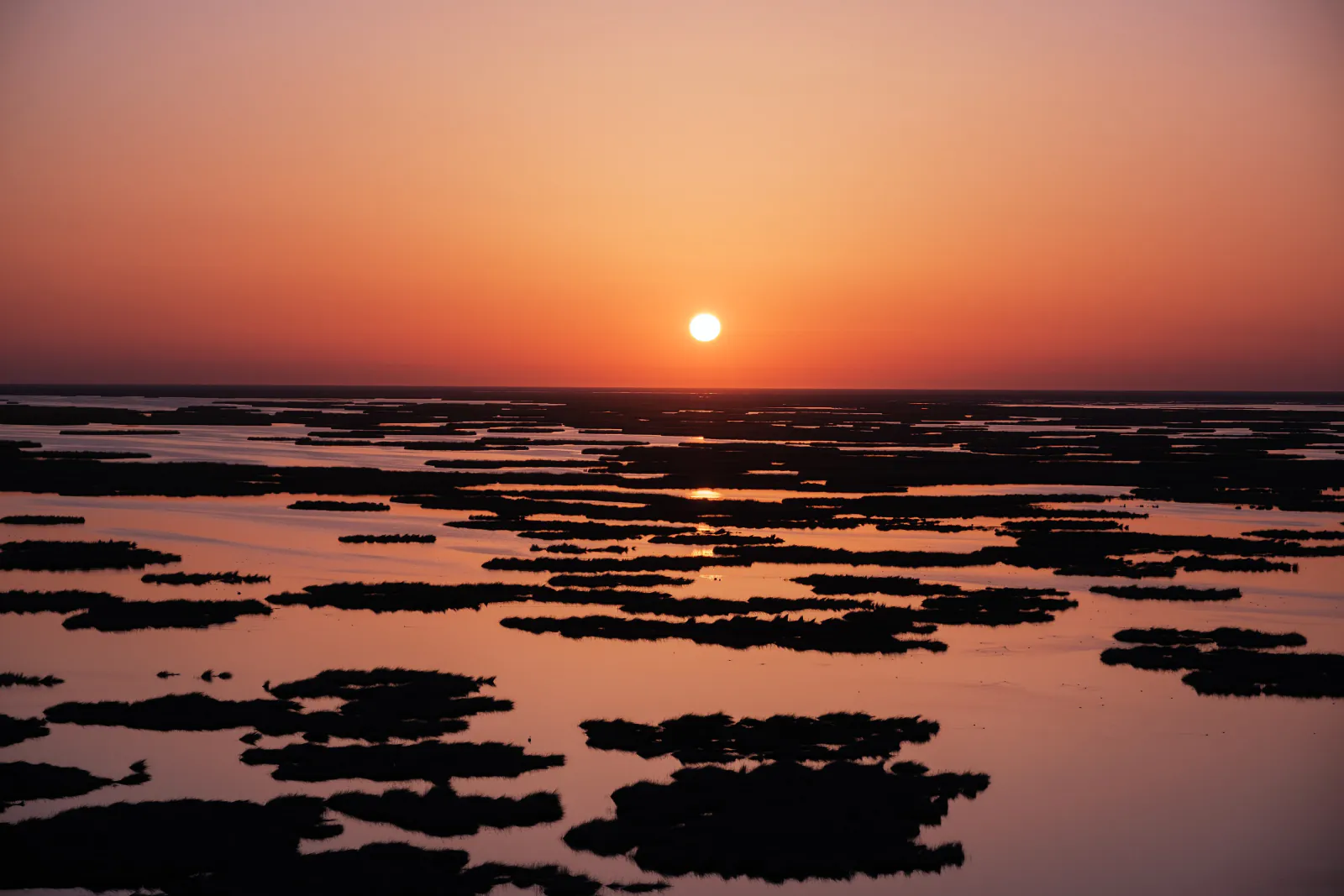
The hour after Fajr
Getting up is half the work. Here is what the Prophet ﷺ, sleep science and habit research say about the quiet hour that follows.
In Tashkent, on the longest days of June, Bomdod begins a little after three in the morning and the sun does not rise until about ten to five. In late December the gap is shorter, but it is still well over an hour. Every morning, between the prayer and the sunrise, there is a stretch of time that belongs to nobody yet.
Many people fight hard to get up for Bomdod and then lose the win in the next ten minutes. The prayer ends, the phone comes out, the news and the chats pour in, and an hour later nothing of that stretch is left. Getting up is half the work. The other half is the hour that follows.
وَسَبِّحْ بِحَمْدِ رَبِّكَ قَبْلَ طُلُوعِ ٱلشَّمْسِ وَقَبْلَ غُرُوبِهَا
“…and glorify your Lord with praise before the rising of the sun and before its setting” (translation of the meaning).
Qur’an 20:130
How the Prophet ﷺ spent this hour
A companion named Jabir ibn Samura was once asked whether he used to sit with the Prophet ﷺ. His answer, preserved in Sahih Muslim, is a small, vivid picture of this very hour.
He would not get up from the place where he prayed Fajr until the sun had risen. His companions would talk about the days before Islam and laugh, and he would smile.
— Sahih Muslim 670 (translation of the meaning)
Notice what is in that scene and what is not. There is remembrance of God, there is stillness, and there is warm human company, even laughter. There is no rush. The hour after Fajr was not squeezed out of the day; it was given its own place.
Why this hour is unlike the others
For most people, early morning is the one part of the day that is truly theirs. Nobody is calling yet. Work has not started, and the problems of the day have not arrived. Later, the day takes over; right now, you decide.
There is also the light. In a 2013 study at the University of Colorado Boulder, Kenneth Wright and his colleagues took volunteers camping for a week with no electric light at all. Their internal clocks shifted to match the sun: the body’s night began around sunset and ended shortly after sunrise, and the people who were usually “night owls” shifted the most. Morning light is one of the strongest signals the body clock gets.
So the hour after Fajr is quiet, it is yours, and it ends with the first sunlight, which helps set your body for the whole day. It is worth planning.
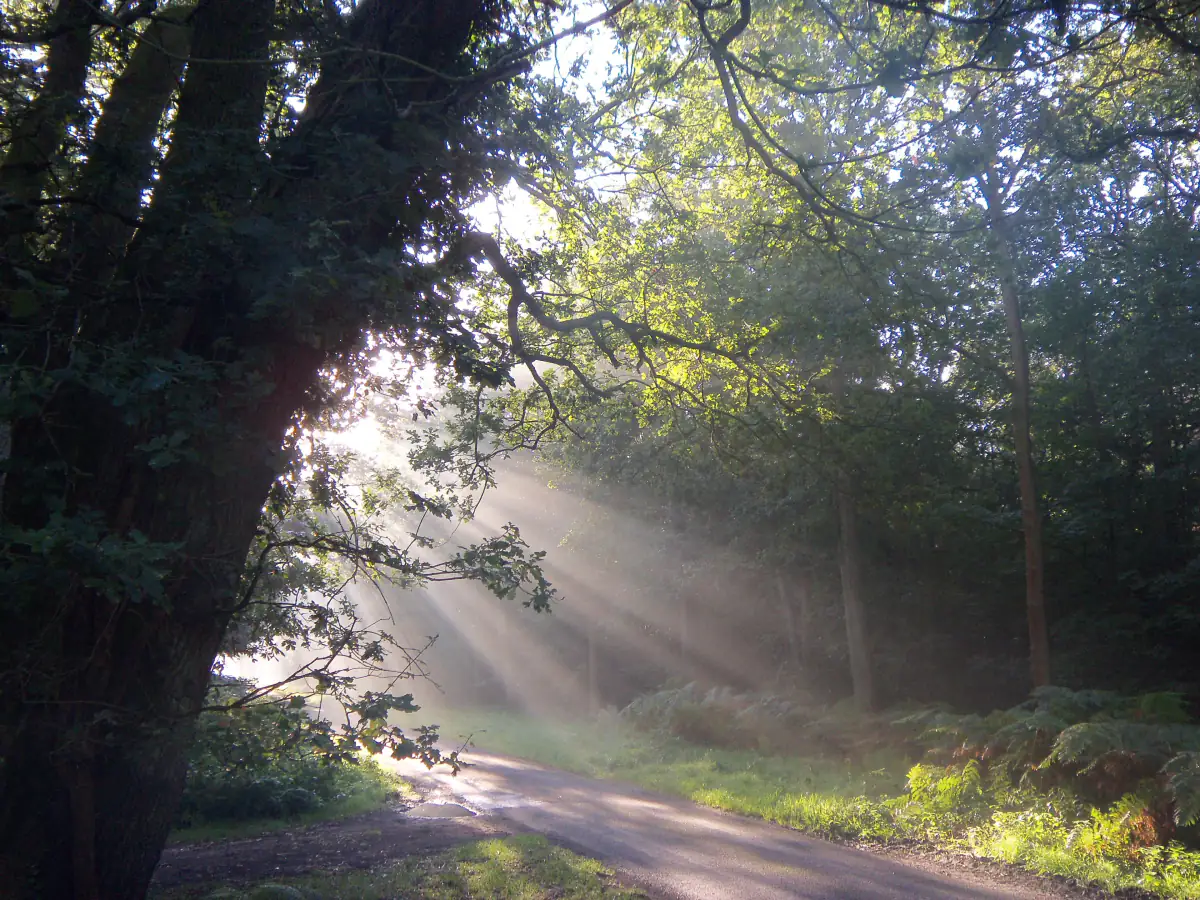
What the hour is good for
There is no single right answer. There is, however, one wrong one: leaving the hour unplanned. An unplanned hour almost always goes to the phone. Here are four good ways to spend it; pick one, not all four.
- Zikr and the Qur’an. Even ten minutes. This is what the hour is naturally for, and it is exactly what the verse above describes.
- The one hard task. The thing you keep putting off all day. With a clear head and no interruptions, it often takes half the time.
- A walk at sunrise. Fifteen or twenty minutes outside, just as the sun comes up. You get movement, fresh air and the morning light your body clock is waiting for.
- Quiet and tea. Doing nothing is also a plan, as long as it is chosen. A cup of tea by the window, with your family if they are awake, is a fine way to wait for the sun.
One practical trick helps with all four: after you switch off the alarm, put the phone down somewhere you will not be sitting — on a shelf, in another room, face down. Messages will still be there after sunrise. The hour will not.
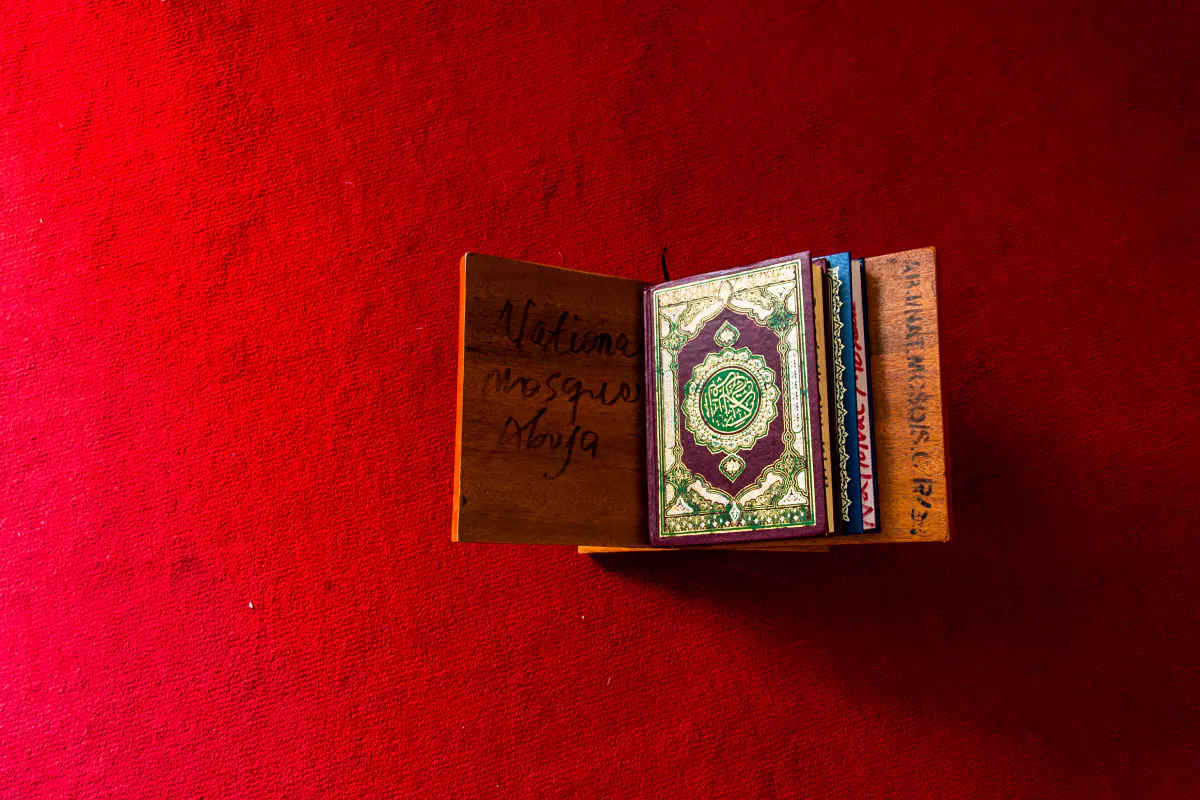
About going back to bed
Going back to sleep after the prayer is sometimes a need and sometimes just a habit. Adults generally need at least seven hours of sleep a night — that is the joint recommendation of the American Academy of Sleep Medicine and the Sleep Research Society (2015). If you went to bed late, a second sleep after Fajr is not a failure. The difference is whether you decided it in advance or it simply happened.
There is another option: a short nap later in the day. In a 2006 study at Flinders University in Australia, Amber Brooks and Leon Lack compared naps of different lengths after a short night. A ten-minute nap gave the quickest and longest-lasting boost. A thirty-minute nap first left people groggy — the so-called sleep inertia — before it helped.
A small ritual, and one sentence
A good morning is rarely built by willpower alone. It is built by sequence: the same place, the same cup, the same notebook. None of these matters on its own, but together they tell your mind, “this time belongs to this.”
Psychology has a name for the simplest version of this: an implementation intention, a plan in the form “when X happens, I will do Y.” In 2006 Peter Gollwitzer and Paschal Sheeran pooled 94 studies and found that such if-then plans had a medium-to-large effect on whether people actually reached their goals.
And be patient with yourself. In a study at University College London, published in 2010, Phillippa Lally followed 96 people building a new daily habit. On average it took 66 days before the behaviour felt automatic, with a range from 18 to 254 days. Missing a single day did not undo the progress.
If you use Safa, the sky on its home screen follows the real sun, so you can see at a glance how much of the hour is left before sunrise. But the plan itself is yours, and it fits on a scrap of paper.
Tomorrow the hard part — getting up — may already be behind you by four o’clock. Give the next hour a name before you go to sleep tonight.
Sources
- Sahih Muslim 670 — sunnah.com
- Qur’an 20:130 — quran.com
- Wright et al., 2013 — Entrainment of the human circadian clock to the natural light-dark cycle, Current Biology
- Watson et al., 2015 — AASM/SRS consensus on the recommended amount of sleep for adults, Journal of Clinical Sleep Medicine
- Brooks & Lack, 2006 — A brief afternoon nap following nocturnal sleep restriction, Sleep
- Gollwitzer & Sheeran, 2006 — Implementation intentions and goal achievement: a meta-analysis
- Lally et al., 2010 — How are habits formed, European Journal of Social Psychology
- Photos: cover — Dilmurad91, sunrise over Sudochye Lake, Karakalpakstan, Wikimedia Commons, CC BY-SA 4.0; Qur’an on a stand — Mark Fischer, Wikimedia Commons, CC BY-SA 2.0; morning path — David Leaper, geograph.org.uk via Wikimedia Commons, CC BY-SA 2.0.
More to read


